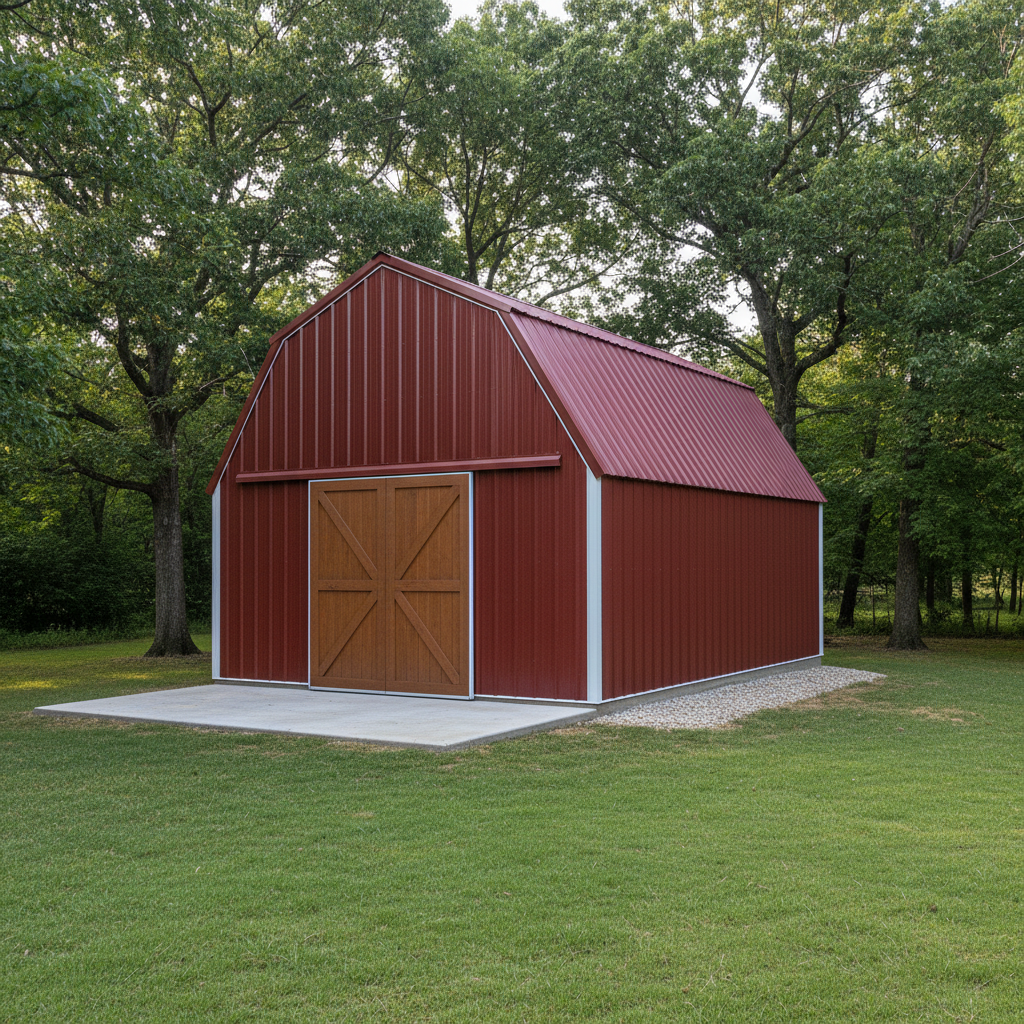
Look, your agricultural buildings aren't just big sheds; they're vital parts of your operation. Whether it's a barn, a storage facility, or a workshop, these structures take a beating from the Dallas weather. You've invested good money in them, and you want them to last. So, how do you make sure they do? It's all about smart, consistent maintenance.
Extending the Life of Your Ag Building
The biggest thing you can do to extend the life of any building, especially here in North Texas, is to be proactive. Don't wait for a problem to become a disaster. Our climate, with its intense summer heat, sudden hailstorms, and those wild temperature swings, really tests construction materials. Good design helps, sure, but ongoing care is what truly makes the difference.
For starters, think about drainage. We get some serious downpours around here. Water pooling around the foundation or splashing up against the lower walls is a recipe for trouble. Make sure your gutters are clear and downspouts direct water well away from the building. If you don't have gutters, consider adding them, especially on the sides that get the most rain runoff. Proper grading around the building helps too; you want water to flow away, not toward it.
Ventilation is another big one, particularly in our hot summers. Good airflow prevents moisture buildup inside, which can lead to rot in wood components or corrosion in metal. It also helps keep temperatures down, which is better for anything you're storing inside, whether it's feed, equipment, or livestock. If your building feels stuffy or damp, you probably need to improve your ventilation.
Regular Maintenance: What to Look For
I tell all my clients, including those we've built for at Dallas Pole Barn Solutions, that a quick walk-around once a month can save you thousands. Here's what I'm checking:
- Roofing: Look for loose or missing panels, bent metal, or any signs of leaks. After a big storm, especially one with hail, get up there (safely!) or use binoculars to inspect it closely. Small punctures can turn into big problems fast.
- Siding and Trim: Check for cracks, dents, or signs of rot. Is anything peeling? Are there gaps where pests could get in? The sun bakes everything out here, so UV damage is real.
- Doors and Windows: Make sure they open and close properly. Check the seals and weather stripping. You don't want drafts or water getting in, especially around those big sliding barn doors.
- Foundation/Base: Look for cracks in concrete, shifting soil, or signs of pest activity around the base. Our expansive clay soils in areas like South Dallas can cause foundations to shift, so keep an eye out for anything unusual.
- Interior: Check for signs of leaks on the ceiling or walls. Look at the framing for any bowing or sagging. Keep an eye out for pest droppings or nests.
A good power wash every year or two can also help keep mold and mildew from building up on the exterior, especially on the north-facing sides that don't get as much direct sun.
Warning Signs You Can't Ignore
Some things are more than just cosmetic. If you see any of these, you need to act quickly:
- Significant Leaks: Not just a drip, but actual water coming in. This can compromise structural integrity and damage contents.
- Sagging Roofline or Walls: This is a major structural concern. If a roof purlin or wall girt is bowing, you've got a problem that needs immediate attention.
- Large Cracks in Concrete or Foundation: Especially if they're widening or if you see a difference in elevation.
- Pest Infestations: Termites, carpenter ants, or rodents can do serious damage to wood and wiring.
- Unusual Odors: Musty smells can indicate hidden moisture or mold.
- Doors or Windows That Don't Latch: This can be a sign of the building shifting.
When to Call a Professional
You can handle a lot of the routine stuff yourself, but some jobs are best left to the pros. If you're not comfortable on a ladder, dealing with electrical issues, or if you suspect a major structural problem, don't hesitate to call someone. That's what we're here for.
Specifically, if you notice any of those serious warning signs I just mentioned – major leaks, sagging structures, significant foundation cracks – get a professional out there immediately. It's always cheaper to fix a small problem than to replace a whole section of a building. A good contractor can assess the situation, identify the root cause, and recommend the right solution. Don't try to jury-rig a fix for something serious; you could end up making it worse or creating a safety hazard.
Maintaining your agricultural buildings isn't glamorous, but it's essential. A little effort now saves you a lot of headaches and money down the road. Keep an eye on your structures, address small issues quickly, and don't be afraid to call in the cavalry when you need to. Your buildings, and your wallet, will thank you.