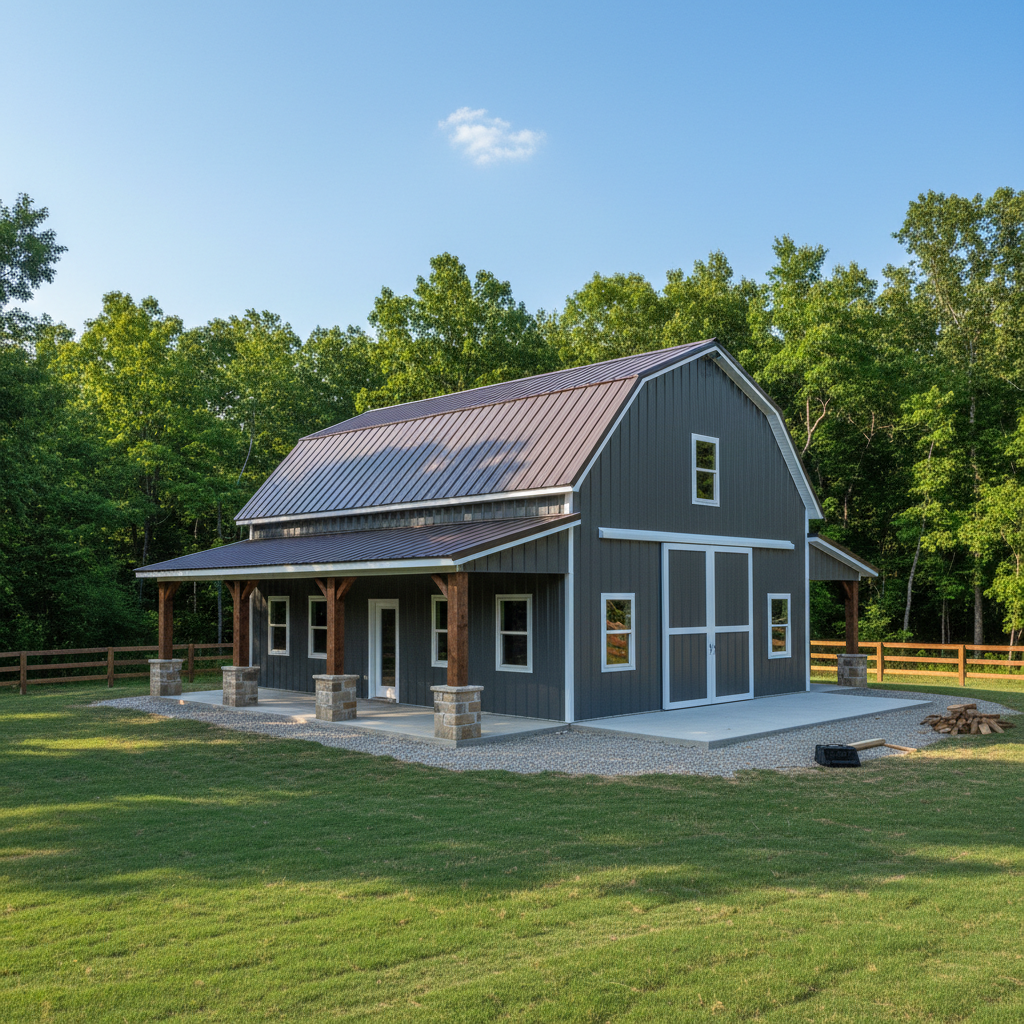
Look, your agricultural buildings aren't just glorified sheds. No, sir. They're actually critical infrastructure for your operation, whether you're storing equipment, housing livestock, or sheltering crops. You put good money into them, and you expect them to last. The good news is, with a little regular attention, they absolutely will. Neglect 'em, though, and you'll be dealing with headaches and costly repairs down the line. I've seen it too many times.
Extending Your Building's Lifespan: It's All About Prevention
The best way to make your ag building last longer is to be proactive. Think of it like taking care of your truck; you don't wait for the engine to seize up before you change the oil, do you? For pole barns and other agricultural structures, this means focusing on a few key areas that really take the brunt of our Dallas climate.
- Keep Water Away: This is huge. Water is the enemy of any building material, especially wood and foundations. Make sure your gutters are clean and draining properly. If you don't have gutters, consider adding them, or at least ensure the ground around the building slopes away from the foundation. We get some serious downpours here, and standing water will rot out your posts or undermine your slab faster than anything.
- Ventilation is Key: Especially if you're housing animals or storing hay, good airflow prevents moisture buildup. That moisture can lead to mold, mildew, and rot. Make sure vents aren't blocked and consider adding more if you notice condensation or musty smells.
- Regular Pest Control: Termites love wood, and our warm climate means they're active almost year-round. Get regular inspections and treatments. Other pests, like rodents, can chew through wiring and insulation, causing their own set of problems.
- Protect the Foundation/Posts: For pole barns, the posts are literally holding everything up. Ensure the ground around them is stable and not eroding. If you've got a concrete slab, check for cracks and seal them before water can get in and then freeze/thaw, making them worse.
What Regular Maintenance Looks Like
This isn't rocket science, but it does require consistent effort. I tell my clients it's like a seasonal check-up for your building.
- Quarterly Walk-Around: Just take a few minutes every three months to walk around the exterior and interior. Look for anything out of place. Are there new cracks in the foundation? Loose siding panels? Any signs of leaks on the ceiling? Are your doors and windows sealing properly?
- Annual Roof Inspection: Before our summer storms hit, and again after the worst of winter, get up on that roof (safely, of course). Check for loose or missing screws, damaged panels, or clogged valleys. Our intense UV rays can degrade sealants over time, so check those too. If you've got standing seam, you're usually in better shape, but screw-down roofs need more attention on those fasteners.
- Clean Out Gutters and Downspouts: Do this at least twice a year, more if you have a lot of trees nearby. Clogged gutters mean water overflowing right down your walls or pooling at your foundation.
- Check Doors and Hardware: Lubricate hinges, tracks, and rollers on sliding or overhead doors. Make sure latches and locks are working smoothly. A sticky door is a nuisance now, but it can lead to damage if you force it.
- Clear Vegetation: Keep trees and shrubs trimmed back from the building. Branches rubbing against the roof or siding can cause damage, and overgrown plants can trap moisture against the structure, inviting pests.
Warning Signs You Can't Ignore
Sometimes, problems sneak up on you. But if you know what to look for, you can catch them early before they turn into a major headache. Don't put these off.
- Water Stains or Leaks: Obvious, right? But even small stains on the ceiling or walls mean water is getting in somewhere. Find the source immediately.
- Sagging Roof or Walls: This is a big one. If you see any part of the roofline sagging, or if walls are bowing or leaning, you've got a structural issue. This needs immediate attention.
- Cracks in the Foundation or Slab: Small hairline cracks are often just cosmetic, but if they're wide, getting longer, or if you see stepped cracks in block walls, that's a sign of foundation movement. Our expansive clay soils in Dallas, especially in areas like Blackland Prairie, can really put stress on foundations with all the shifting from wet to dry.
- Pest Evidence: Sawdust trails, mud tubes (termites), droppings, or gnaw marks are all red flags.
- Loose or Rusted Fasteners: On metal roofs or siding, if screws are backing out or showing significant rust, they're not doing their job. This can lead to panels lifting in high winds.
- Doors or Windows Sticking: If they suddenly start binding or are hard to open and close, it could indicate the building frame is shifting.
When to Call a Professional
Look, I'm a big believer in doing what you can yourself. But there are times when you absolutely need to bring in someone with the right expertise and equipment. Don't try to be a hero when it comes to structural integrity or complex repairs.
- Any Structural Concerns: If you see sagging, bowing, major foundation cracks, or anything that makes you question the building's stability, call a pro immediately. This isn't a DIY job.
- Major Roof Damage: A few loose screws? You might handle it. But extensive panel damage, a widespread leak you can't trace, or significant storm damage needs a professional. Getting on a tall roof can be dangerous, and you want the repair done right to prevent future leaks.
- Persistent Water Intrusion: If you've tried to fix a leak and it keeps coming back, or you can't figure out where the water's getting in, it's time for an expert.
- Extensive Pest Infestations: Termites or other wood-destroying insects require specialized treatment to ensure they're eradicated and don't come back.
- Foundation Repair: Unless you're a foundation expert, leave this to the pros. Improper repairs can make things worse.
- Electrical Issues: Never mess with electrical problems yourself unless you're a licensed electrician. It's just not worth the risk.
Keeping your agricultural buildings in top shape isn't glamorous, but it's essential. A little preventative maintenance goes a long way in protecting your investment and ensuring your operation runs smoothly. If you're seeing any of those warning signs, or just want a professional eye on things, don't hesitate to reach out. We're Dallas Pole Barn Solutions, and we're here to help keep your structures sound.